Author:DavisDate:2026-7-23
Release Date: July 23, 2026
Category: EV Technology & Maintenance News
Target Audience: Global EV Owners, Fleet Operators, Dealers and After-Sales Teams
As summer temperatures rise and humidity increases, electric vehicle owners face growing challenges in maintaining battery performance, motor reliability and electronic control stability. Hot and humid weather can accelerate battery degradation, reduce cooling efficiency, and create hidden risks for high-voltage components.
This article provides a practical maintenance guide for EV users who want to keep their vehicles safe, efficient and reliable during the hottest months of the year.
Battery Maintenance: Avoid Overheating and Moisture Damage
The power battery is the most critical component in an electric vehicle. In summer, high temperature directly affects charging speed, energy density and long-term battery health. If a vehicle is parked under direct sunlight for a long time, the battery pack may work outside its ideal temperature range.
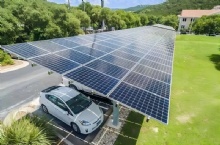
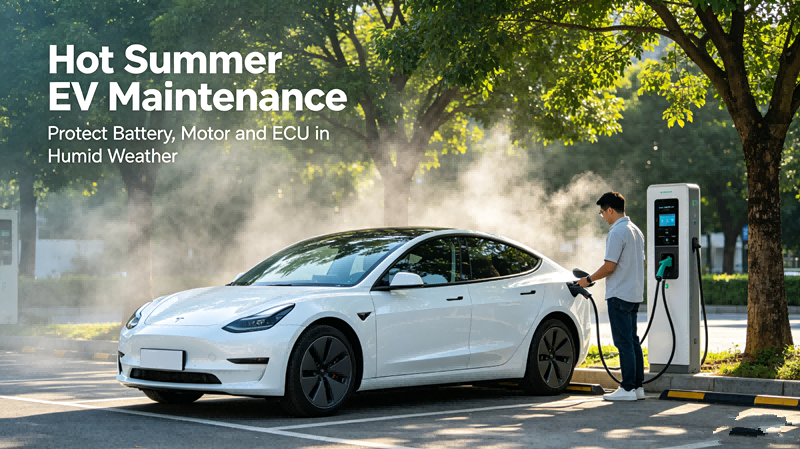
Experts recommend parking EVs in shaded areas, underground garages or covered charging stations whenever possible. Before fast charging, especially after highway driving or heavy use, users should allow the battery to cool down for 10 to 30 minutes. Charging immediately when the battery is too hot may increase internal pressure and accelerate aging.
-4225553.png "豆包 (1).png")
For daily use, keeping the battery level between 20% and 80% is a simple and effective way to extend service life. In hot weather, it is not recommended to leave the vehicle fully charged for a long time. For long-distance travel, pre-cooling the battery before charging can help improve charging efficiency and thermal stability.
Humidity is another important factor. In rainy seasons, water droplets near the charging port should be wiped dry before charging. Users should also avoid using high-pressure water to clean the bottom of the vehicle, battery pack or ventilation valves. Moisture entering high-voltage connectors may cause insulation problems and safety risks.
Motor Maintenance: Keep Cooling Systems Under Control
The drive motor converts electrical energy into mechanical power. During summer driving, frequent acceleration, high-speed cruising and uphill driving can increase motor temperature. If the cooling system does not work properly, the motor may experience power reduction, abnormal noise or accelerated insulation aging.
To maintain motor performance, users should check the cooling system regularly. Coolant levels, pipes and heat exchangers should be inspected according to the manufacturer’s recommended service schedule. In most cases, professional inspection every one to two years can help prevent unexpected motor failures.
-4176252.png "豆包 (4).png")
After wading in rainy weather, it is advisable to drive the vehicle at low speed for a period of time to help evaporate residual moisture inside the motor assembly. Fleet vehicles that operate in tropical or coastal areas should receive more frequent electrical system checks.
Avoiding frequent full-load acceleration and long-time climbing in extremely hot weather can also reduce unnecessary thermal load on the motor.
ECU and Electronic Control: Prevent Humidity and Signal Instability
The Electronic Control Unit, or ECU, acts as the brain of the electric vehicle. It manages battery management, motor output, charging logic and safety protection. In hot and humid environments, moisture and high temperature may affect wiring harnesses, sensors and control modules.
Common problems caused by high humidity include poor connector contact, unstable sensor signals and occasional system protection. If these issues are not detected early, they may lead to charging interruptions, power limitation or diagnostic trouble codes.
-1554090.png "豆包 (5).png")
To reduce risks, technicians should check high-voltage connectors, insulation resistance and sealing conditions during seasonal maintenance. The vehicle chassis should also be kept clean and dry, especially after rain, washing or wading.
Users should not attempt to disassemble high-voltage components without professional training. High-voltage system inspection must be completed by qualified service personnel with proper tools and safety procedures.
Summer Charging Habits That Make a Difference
Charging habits have a direct impact on battery life. In summer, the worst practice is to charge a hot battery immediately after intense driving or after long-term parking under the sun.
The recommended procedure is to let the vehicle cool down first, then start charging. If possible, schedule charging during morning, evening or night when ambient temperature is lower. This can help reduce heat generation during charging and improve charging stability.
-8899138.png "豆包 (3).png")
For users who rely on public fast chargers, it is important to monitor the vehicle’s temperature prompts. If the system shows high-temperature protection or reduced charging speed, do not force continuous charging. Stop charging, allow cooling, and consult a service team if the problem continues.
Professional Seasonal Inspection Checklist
A complete summer EV maintenance plan should cover the following items:
Battery pack temperature and health check
Charging port cleanliness and sealing inspection
Coolant level and cooling system test
Motor noise, vibration and temperature check
High-voltage wiring harness and connector inspection
ECU diagnostic scan and sensor calibration
Chassis condition and waterproof sealing check
Tire pressure and brake system inspection
For fleet companies and car dealers, seasonal maintenance can also become an important after-sales service product. It helps reduce vehicle downtime, improve customer satisfaction and maintain higher residual value.
Conclusion
Hot and humid summer weather places extra pressure on electric vehicles, especially on the battery, motor and electronic control systems. By following simple maintenance habits, EV users can reduce battery degradation, improve driving safety and extend vehicle service life.
-8278685.png "豆包 (2).png")
The key points are clear: avoid overheating, control charging behavior, keep connectors dry, inspect cooling systems regularly, and seek professional service when abnormal conditions appear. With proper summer maintenance, electric vehicles can remain reliable, efficient and safe even in high-temperature environments.
↓Next [
High-Power Liquid-Cooled DC Charging Piles Lead Industry Upgrade, Liquid Cooling Tech Solves Fast Charging Pain Points for New Energy Vehicles ]